Exploring Indianapolis: A City Connected by Trails

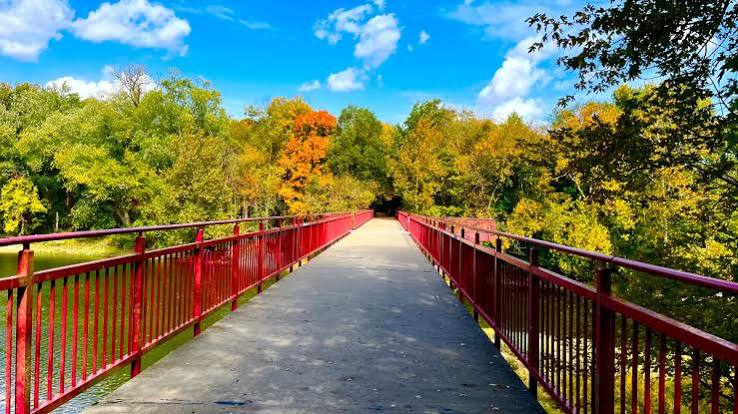
One of the things that makes Indianapolis a great place to call home is the growing network of trails connecting neighborhoods, parks, businesses, cultural districts, and downtown. Whether you enjoy walking, running, biking, or simply getting outside with the family, the Indianapolis trail system offers plenty of opportunities to experience the city from a different perspective.

The best-known is most likely the Monon Trail, which travels from downtown Indianapolis north through neighborhoods such as Broad Ripple and beyond into Hamilton County. What was once a railroad corridor has become one of Central Indiana’s most popular recreational trails. Along the way, you’ll find restaurants, coffee shops, parks, shopping, and neighborhoods that have embraced the trail as part of everyday life.

Another Indianapolis favorite is the Indianapolis Cultural Trail, which connects several of the city’s cultural districts and downtown destinations. It provides an enjoyable way to explore areas such as Fountain Square, Mass Ave, Indiana Avenue, and White River State Park without experiencing the city entirely from behind the wheel.

The Fall Creek Trail offers a different experience, following the waterway through parks and established neighborhoods. Portions of the trail feel surprisingly peaceful considering how close they are to the heart of Indianapolis. The Pleasant Run Trail and the Pennsy Trail also provides connections through several east and southeast side neighborhoods, the Pennsy extends into Hancock County, while the White River Trail gives walkers and cyclists another way to enjoy some of the city’s natural scenery.

What I appreciate about our trails is how they connect more than destinations. They connect communities. A Saturday bike ride can turn into lunch at a neighborhood restaurant. An evening walk becomes an opportunity to meet neighbors. A trail that once served primarily for recreation can become part of someone’s daily commute.

Trails can also influence where people choose to live. For many homebuyers, being able to walk or bike to restaurants, parks, entertainment, and everyday conveniences has become an important consideration when choosing a neighborhood.

Indianapolis has always been known as the Crossroads of America, but today we’re finding new ways to get around those crossroads. Sometimes the best way to discover Indianapolis is to leave the car at home, pick a trail, and see where it takes you.

Vicki

Love where you live so you can focus on living
Road Construction in Indy: Can I get there from here?

If you’ve driven around Indianapolis lately, you may have found yourself asking a familiar question: “Can I actually get there from here?” It’s been even more challenging after the historic flooding recently!

Between orange barrels, closed ramps, lane restrictions, bridge projects and the occasional detour that seems to lead directly to another detour, getting around Indianapolis in 2026 can feel like a test of patience—and navigation skills.

And there’s a reason it seems like construction is everywhere. Indianapolis has approximately $279 million in infrastructure investment planned for 2026, including roughly $218 million in transportation improvements. Projects include roads, bridges, sidewalks, trails and drainage improvements throughout the city. (midwestcontractor.news)

That investment is certainly good news for Indianapolis in the long run. Right now? Well…sometimes it’s a little painful.

Orange Barrels: Indiana’s Unofficial State Flower

After living with the Clear Path 465 project around I-465 and I-69 for years (more than 100,000 vehicles travel through that interchange each day) with the project adding lanes, rebuilding interchanges and creating new ramps to improve traffic flow. The good news is that it’s now more than 90% complete, with construction expected to wrap up later in 2026. (clearpath465.com)

Meanwhile, city projects are happening across Indianapolis, from bridge rehabilitation and neighborhood streetscapes to major roadway improvements. (midwestcontractor.news)

For those of us in real estate, construction presents some unique challenges. A showing that should be 15 minutes away can suddenly become a 30-minute adventure. Buyers may arrive late because their GPS didn’t know a ramp was closed. And when you’re trying to schedule four or five showings across town, one unexpected closure can throw the entire afternoon off.

The same thing applies to everyday life. Going to work, meeting friends for dinner, getting kids to activities or simply running to the grocery store sometimes requires a little more planning than it used to.

But there is a positive side.

Indianapolis continues to grow, and maintaining and improving our infrastructure is part of that growth. Today’s inconvenience can mean better roads, safer bridges, improved neighborhoods and easier travel in the future.

So, for now, my Indianapolis driving essentials include a navigation app, a little extra time and a healthy sense of humor.

And if you’re meeting me for a showing and I’m two minutes late?

There’s a pretty good chance I’m sitting behind an orange barrel somewhere.

Vicki

Love where you live so you can focus on living

Image

What do you think Willow Lakes East in Greenwood?

I happen to have a listing at 3696 Lakeshore Court and will be holding it open on Sunday (tomorrow) from 1 to 3 pm…please come by and check it out, this home has amazing potential!

Living in Willow Lakes East: A Perfect Suburban Gem

Nestled in the heart of Greenwood’s southeastern quadrant, Willow Lakes East is the kind of neighborhood that checks all the boxes for modern suburban living. With around 736 residents across 248 households and a median age of 39, it’s a community balanced between young families and established homeowners. Nearly half of households include children, making it ideal for family life .

Scenic, Family-Friendly Environment
The neighborhood is characterized by tree-lined streets, well-maintained lawns, and a network of ponds and lakes that give it a calm, relaxing vibe. On local neighborhood boards, residents frequently mention how clean and welcoming Willow Lakes East feels. Many appreciate the walking paths and friendly neighbors you meet on daily strolls.

Quality Homes & Steady Market
Typical homes here were built in the 1990s, offer 3–5 bedrooms, and average around 3,200 sq ft—often with full basements, sunrooms, and nicely landscaped yards . Homes tend to range from the mid‑$400Ks to the low‑$600Ks, reflecting stabilized value and healthy demand.

Top-Rated Schools & Amenities
This neighborhood is in the Center Grove school district, with elementary, middle, and high schools—all within a couple miles. Parks, shopping, and dining are just a short drive away via easy access to Main Street and County Line Road, with Interstate 65 on the doorstep .

Engaged Community
The HOA and Nextdoor groups stay active—organizing seasonal events, neighborhood garage sales, and discussions about home projects. It’s a place where people know each other, look after yards on either side, and say hi on the street.

Why It Feels Like Home
Between its mature landscaping, spacious homes, excellent schools, and community-oriented spirit, Willow Lakes East offers more than a house—it provides a lifestyle. It’s a neighborhood where kids grow up with block parties across the street, where parents find peace on a lakeside walk, and where neighbors feel like friends. Whether you’re relocating or simply exploring Greenwood, Willow Lakes East is worth a close look—a quiet, comfortable, and welcoming slice of suburban life.

This is your chance to get into this great neighborhood…3696 Lakeshore Court, Sunday, July 13 from 1:00 to 3:00 pm…See you there!